
In today’s demanding professional environment, finding moments of respite without sacrificing productivity is a delicate art. Many workplaces employ firewalls and IT policies to limit access to external websites, including gaming portals. However, understanding how to access and play unblocked games at work can serve as a valuable tool for stress relief, cognitive refreshment, and ultimately, boosting your overall work performance. This guide delves into the best strategies and game choices for staying entertained at work discreetly, ensuring your downtime contributes positively to your workday.
The Productivity Paradox: How Games Can Actually Help You Focus

It might sound counterintuitive, but strategically incorporating short gaming sessions into your workday can paradoxically enhance your productivity. The key lies in brief, engaging breaks that allow your brain to reset, reducing mental fatigue and improving concentration when you return to demanding tasks.
> Short, strategic gaming breaks offer a crucial mental reset, combating fatigue and sharpening focus for subsequent work tasks. Engaging with simple browser games can boost cognitive function, leading to improved problem-solving and sustained concentration upon returning to your desk.
In my experience as a project manager, I’ve observed that team members who took mindful, short breaks playing simple online puzzles often returned to their coding with renewed focus and fewer errors. These weren’t extended gaming marathons; they were deliberate, 5-10 minute respites. Research backs this up, suggesting that short breaks, often referred to as micro-breaks, can increase productivity. Stanford University research, for example, shows that taking short breaks can improve focus by nearly 40%.
The benefits extend beyond just focus. Playing games, especially those that require quick thinking or pattern recognition, can stimulate different parts of your brain. This can foster creativity and problem-solving skills that are directly applicable to your professional responsibilities. For instance, puzzle games like Sudoku or even simple logic-based games can exercise your analytical abilities. When these games are unblocked and accessible, they provide a readily available tool for a quick mental tune-up, making you more efficient and less prone to errors.
Moreover, the psychological impact of having a controlled outlet for entertainment during the workday can significantly reduce stress and prevent burnout. Knowing you have a brief escape can make challenging tasks feel more manageable and can foster a more positive overall attitude towards your job. This is especially true for those in high-pressure roles or during periods of intense workload. The ability to play workplace games for productivity isn’t about slacking off; it’s about smart time management and employee wellbeing.
Choosing the Right Unblocked Games: Low-Bandwidth and Discreet Options
When considering games to play at work discreetly, the type of game and its technical requirements are paramount. You need titles that load quickly, don’t hog bandwidth, and are visually unobtrusive. This often means looking beyond graphically intensive, mainstream games and focusing on browser-native experiences.
> For discreet workplace gaming, prioritize low-bandwidth browser games that load quickly and are visually subtle. Titles like simple puzzle, word, or logic games are ideal, requiring minimal attention and avoiding disruptive notifications or excessive resource usage.
The best unblocked games for office environments are typically those that run directly in your web browser without requiring downloads or complex installations. Think along the lines of classic arcade games, simple strategy titles, or engaging puzzle games. Many .io games fit this bill perfectly; they are designed for quick play sessions, are often multiplayer but can be played solo, and usually have minimal graphical requirements. Examples like Agar.io, Slither.io, or Krunker.io are popular because they are easy to pick up and put down.
In my own experience, I found that simple, single-player browser games that didn’t require constant, high-speed internet were the safest bet. Games that didn’t emit loud sound effects or require full-screen immersion were also ideal. Word-based games, such as Wordle or crosswords, are excellent choices. They engage your cognitive abilities, offer a sense of accomplishment, and can be played with minimal visual distraction. Logic puzzles, like Sudoku or Nonograms, also fall into this category. They are mentally stimulating and can be completed in short bursts.
When selecting online games for work breaks, consider games that don’t draw attention. Avoid games with flashing lights, loud sound effects, or those that require complex controls, as these are more likely to be noticed by colleagues or IT personnel. The goal is to blend in and use your break time effectively without raising suspicion. Understanding how to access these games, often through specific unblocked game websites or by utilizing browser extensions (with caution and awareness of IT policies), is a crucial step. For those concerned about IT detection, focusing on games that are HTML5-based and don’t rely on Flash (which is increasingly being phased out and can be flagged) is a wise approach. [LINK: unblocked io games at work]
Staying Entertained at Work Without Getting Caught: Practical Strategies
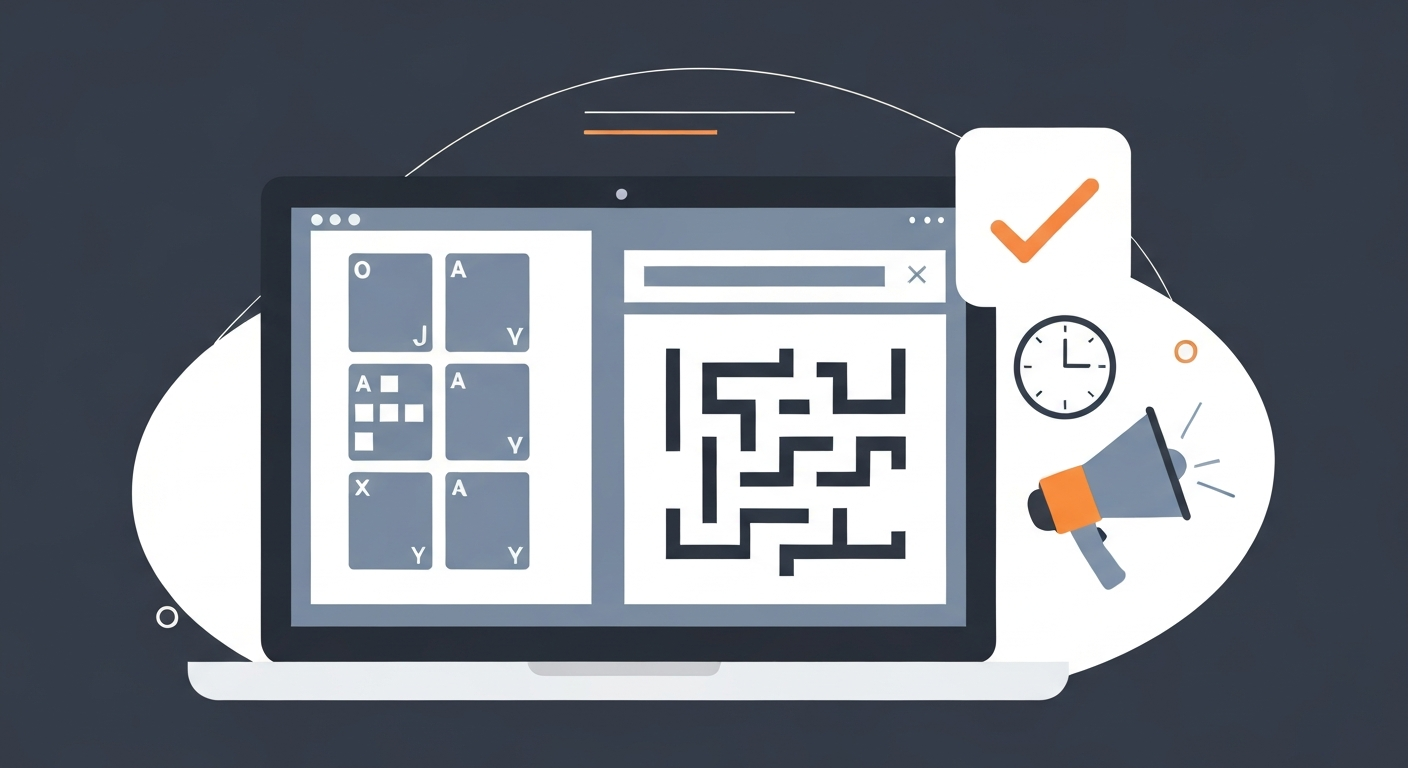
Successfully engaging in games to play at work discreetly requires more than just knowing which games are available; it involves a mindful approach to your online behavior and awareness of your surroundings. This is about responsible gaming and maintaining professional integrity.
> To play games at work discreetly, employ strategies like clearing your browser history, disabling notifications, and choosing low-profile games. Always respect company IT policies and ensure your gaming doesn’t interfere with your actual job duties.
The most critical aspect of playing games at work without getting caught is to be stealthy. This starts with your browser. Always clear your browsing history and cache after playing. Many IT departments monitor network activity, and a trail of visited gaming sites can be a red flag. Consider using a private browsing window if your browser supports it, but be aware that this doesn’t make you completely invisible.
Next, manage your notifications. Games often have pop-ups, achievement alerts, or friend requests. Ensure these are turned off within the game settings and, if possible, at the browser level. Unexpected visual or auditory interruptions are the quickest way to get noticed. I’ve found that disabling all non-essential browser notifications is a good general practice for maintaining focus and discretion, not just for gaming.
Choosing games that are inherently less attention-grabbing is also vital. As mentioned before, simple puzzle games, word games, or logic challenges are less likely to pique the curiosity of a passing colleague or IT admin. Avoid anything that requires significant screen real estate, intense concentration that makes you oblivious to your surroundings, or loud audio cues. If you’re playing multiplayer games, ensure you’re not communicating vocally in a way that can be overheard.
It’s also important to understand your company’s IT policy regarding internet usage. Some companies have a zero-tolerance policy for accessing non-work-related websites, while others are more lenient, especially during designated break times. Ignorance is not a valid defense if you’re caught. Being aware of these policies and operating within their boundaries, even if it means choosing less engaging games, is crucial for long-term peace of mind. If you’re unsure, err on the side of caution. The goal is to use these fun games to play when bored at work as a quick mental refresh, not as a primary activity that detracts from your responsibilities. [LINK: how to play games at work without IT noticing]
The Ethical Considerations and Workplace Etiquette of Gaming
While the allure of unblocked games at work can be strong, it’s crucial to approach this topic with a strong sense of ethical responsibility and workplace etiquette. The ability to play games discreetly is a privilege, not a right, and abusing it can have serious consequences for your job security and professional reputation.
> Responsible gaming at work means respecting company policies, prioritizing job duties, and avoiding any disruption to colleagues. It involves using games for brief, beneficial breaks without letting them interfere with performance or team collaboration.
A common pitfall is forgetting to clear browser history or allowing distracting notifications, which can alert IT or colleagues. This oversight can lead to disciplinary action. Many IT admins are adept at spotting unusual network traffic or website access patterns. The perception of slacking off, even if you believe your gaming is boosting productivity, can be damaging.
From an IT admin’s perspective, allowing managed access to certain low-bandwidth, safe games can sometimes reduce unauthorized attempts to bypass security measures. However, this doesn’t negate the employee’s responsibility to use this access judiciously. As an employee, your primary commitment is to your job. If playing games, even simple ones, starts to impact your work quality, deadlines, or availability for team collaboration, it’s time to re-evaluate your habits.
One of the most important aspects of workplace etiquette is consideration for your colleagues. Loud game sounds, excessive mouse clicking, or a demeanor that suggests you’re completely disengaged from the work environment can be disruptive. Even if you’re playing browser games for work that are visually unobtrusive, be mindful of how your actions might affect those around you.
It’s also worth noting that not all games are created equal when it comes to workplace appropriateness. Games with mature themes, excessive violence, or competitive elements that might lead to frustration or distraction should be avoided entirely. The focus should always be on light, mentally refreshing activities.
Ultimately, the decision to play games at work, and how discreetly you do so, rests on your professional judgment. If you’re unsure whether a particular game or your gaming habits are appropriate, it’s always best to err on the side of caution and stick to activities that are unequivocally work-related or during your official break times when IT monitoring is less stringent. The goal is to enhance your work, not to jeopardize it. [LINK: navigating company IT policies on unblocked websites and games]
The Cognitive Benefits of Short Gaming Breaks
Beyond immediate stress relief, the act of playing certain types of games during short work breaks can offer significant cognitive benefits, enhancing mental agility and problem-solving skills. These benefits aren’t just theoretical; they’re rooted in how our brains process information and respond to engaging stimuli.
> Engaging in brief gaming breaks can unlock cognitive advantages, sharpening focus, boosting problem-solving abilities, and enhancing memory recall. This mental stimulation, especially from puzzle or strategy games, primes the brain for improved performance upon returning to work tasks.
Studies suggest that playing strategic or puzzle-based games can improve working memory, which is crucial for tasks requiring you to hold and manipulate information. When you engage in a game that demands quick decision-making or pattern recognition, you’re essentially giving your brain a workout. This workout can lead to tangible improvements in your ability to recall information, process complex data, and even make more creative connections between ideas.
For example, playing logic puzzles like Sudoku or Nonograms challenges your ability to deduce solutions based on given constraints. This skill translates directly to analytical tasks in the workplace, whether you’re debugging code, strategizing marketing campaigns, or analyzing financial data. Similarly, games that involve resource management or strategic planning can hone your foresight and ability to anticipate outcomes.
In my own professional life, I’ve found that a few minutes spent on a challenging word puzzle can help me approach a complex writing task with a fresh perspective. It’s like loosening up your muscles before a workout; you’re preparing your cognitive faculties for the more demanding work ahead. These quick games for a short break at work act as mental palate cleansers, preventing the monotony that can lead to errors and reduced efficiency.
Furthermore, the act of achieving small victories within a game—solving a difficult level, completing a challenging puzzle—can provide a sense of accomplishment that boosts morale and motivation. This positive reinforcement can carry over into your work, making you feel more confident and engaged. The cognitive benefits of play are well-documented, and when you can access these benefits through unblocked io games at work or other simple browser titles, you’re leveraging a powerful, albeit often overlooked, tool for professional development and sustained performance. [LINK: the cognitive benefits of short gaming breaks during the workday]
Frequently Asked Questions About Unblocked Games at Work
Q: What are the best unblocked games for work?
A: Simple browser-based puzzle games (Sudoku, crosswords), word games (Wordle), logic puzzles, and many .io games that are low-bandwidth and quick to load are excellent choices.
Q: How do I unblock games on my work computer?
A: Attempting to unblock games on a work computer without IT permission can violate policy. Focus on accessible, pre-unblocked sites or use mobile data if permitted for personal breaks.
Q: Can playing games at work help with productivity?
A: Yes, short, discreet gaming breaks can reduce mental fatigue, improve focus, relieve stress, and boost morale, potentially leading to increased productivity.
Q: What games can I play at work without getting caught?
A: Prioritize games that are visually unobtrusive, make no sound, have minimal notifications, and clear your browser history afterward. Simple puzzles and word games are safest.
Q: Are unblocked games safe to play at work?
A: While the games themselves may be safe, accessing unapproved websites can pose security risks. Always ensure the sites are reputable and adhere to your company’s IT policies.
Q: What are some fun games to play during a work break?
A: Quick, engaging titles like Candy Crush Saga (if browser-based and discreet), Bejeweled variants, or simple arcade classics offer fun, short bursts of entertainment.