
The best VPNs for unblocking games combine lightning-fast speeds, a sprawling network of servers, and top-notch security to help you get around those annoying geo-restrictions and even potentially slash your in-game lag. NordVPN, for instance, boasts specialized gaming servers tuned for minimal latency, which is exactly what you need for smooth gameplay and accessing region-locked titles. This guide is here to help you pick the VPN that truly elevates your gaming, opening up new worlds and stabilizing your connection.
Why Use a VPN to Unblock Games?
We’ve all been there: a game is out, but not where you are. Geo-restrictions are a major bummer for gamers globally. These limitations, often a result of licensing deals, regional pricing, or staggered release dates, can lock you out of certain games or servers. That awesome new title available in North America? It might be weeks away for you. A Virtual Private Network (VPN) acts like your digital passport. Connect to a server in another country, and BAM – your real IP address is masked, replaced by one from the server’s location. It’s like you’re suddenly browsing from Tokyo or London. This simple trick is the key to bypassing those digital borders. It’s not just about getting the game, either. You can snag early access to titles released elsewhere first, or even bypass network bans from your ISP or a game server. Sound familiar?
> A VPN lets you hop onto servers in different countries, effectively hiding your real IP and making it look like you’re browsing from that location. This is absolutely essential for getting around geo-blocks put up by game developers or regional licensing, granting you access to games and servers that are otherwise off-limits in your home country.
Top VPNs for Unblocking Games in 2024
When you’re hunting for a VPN to level up your gaming, keep your eyes peeled for speed, a vast server selection, and any special gaming-focused features. The heavy hitters like NordVPN, ExpressVPN, and CyberGhost consistently deliver powerful solutions for smashing through geo-blocks and improving your connection quality. These companies have poured serious resources into their infrastructure, ensuring their networks can handle the demands of online gaming without bogging you down.
Here’s a look at some of the top contenders for unblocking games:
- NordVPN: Renowned for its blazing speeds and a massive server network, NordVPN also offers specialized NordLynx servers (built on WireGuard) that are practically engineered for gaming. Their Double VPN feature adds an extra layer of security without a significant speed hit. Plus, they’re serious about privacy with a strict no-logs policy.
- ExpressVPN: Consistently earns top marks for speed and reliability. ExpressVPN boasts a user-friendly interface and an expansive network of servers spanning 105 countries, giving you plenty of options for bypassing geo-restrictions. Their Lightway protocol is designed for speed and robust security.
- CyberGhost: This VPN sports a huge server network, with many servers specifically flagged for streaming and gaming. Their straightforward apps make connecting to optimized servers a breeze, and they offer generous server counts and good speeds.
- Surfshark: A more wallet-friendly option that doesn’t really skimp on performance. Surfshark’s killer feature is unlimited simultaneous connections, making it fantastic for households with multiple gamers. Their speeds are competitive, and they offer a solid range of server locations.
- ProtonVPN: While often celebrated for its formidable security and privacy features, ProtonVPN also delivers decent speeds, especially on its premium tiers. Its free tier is limited but can sometimes work for basic unblocking needs, though paid plans are a far better bet for serious gaming.
| Feature | NordVPN | ExpressVPN | CyberGhost | Surfshark | ProtonVPN |
|---|---|---|---|---|---|
| Price (Approx.) | Starts at $3.09/month (2-year plan) | Starts at $6.67/month (1-year plan) | Starts at $2.03/month (2-year plan) | Starts at $1.99/month (2-year plan) | Starts at $4.99/month (2-year plan) |
| Server Count | 6,000+ servers in 111 countries | 3,000+ servers in 105 countries | 10,000+ servers in 100 countries | 3,200+ servers in 100 countries | 5,000+ servers in 91 countries |
| Speed | Excellent (NordLynx protocol) | Very Good (Lightway protocol) | Good | Good | Good (Paid Tiers) |
| Gaming Servers | Yes (Optimized servers) | No specific ‘gaming’ servers, but high perf. | Yes (Optimized servers) | No specific ‘gaming’ servers, but high perf. | No specific ‘gaming’ servers, but high perf. |
| Simultaneous Connections | 10 | 8 | 7 | Unlimited | 10 |
| Unblocking Capability | Excellent | Excellent | Excellent | Very Good | Good |
> When choosing a VPN for gaming, zero in on speed, the sheer number of servers, and any specialized gaming features. Top picks like NordVPN, ExpressVPN, and CyberGhost provide powerful ways to bypass geo-blocks and improve your overall connection quality.
How VPNs Improve Your Gaming Experience
Beyond just unlocking games locked to specific regions, a Virtual Private Network (VPN) can significantly boost your entire online gaming journey in a few key areas. One of the most critical advantages is the shield it provides against Distributed Denial of Service (DDoS) attacks. In competitive gaming, especially at higher ranks, frustrated opponents might stoop to launching DDoS attacks to cripple your connection and snatch an unfair win. By masking your true IP address, a VPN makes you a much harder target.
Moreover, a VPN can actually help reduce ping and lag. It might sound backward, but sometimes your ISP routes your traffic in a less-than-ideal way to game servers. Connecting to a VPN server that’s geographically closer to the game server, or one that offers a more direct route, can often result in a lower ping. This means more responsive gameplay, which is absolutely vital for fast-paced titles. You might also run into ISP throttling, where your internet provider deliberately slows down your connection for activities like gaming or streaming, particularly during busy hours. A VPN encrypts your traffic, rendering it unreadable to your ISP, which stops them from identifying and throttling your gaming sessions.
> Think beyond just unblocking games; a VPN can seriously upgrade your online gaming by hiding your IP to prevent DDoS attacks, potentially lowering ping and lag by connecting you to servers closer to game servers, and sidestepping ISP throttling that can hog your connection speed.
Will a VPN Make My Game Lag Worse or Better?
The effect a VPN has on game lag isn’t always a simple yes or no. In many scenarios, a VPN can actually improve your connection by finding a more direct path to the game server or sidestepping congested network routes. If your ISP’s default routing is inefficient, a VPN can often provide a better alternative, leading to lower ping. However, if you connect to a VPN server that’s very far from the game server, or if that VPN server itself is overloaded, you might indeed experience increased lag. The trick here is to pick a VPN provider with a large, high-quality network and to experiment with different server locations to pinpoint the best connection for your specific game.
Choosing the Fastest VPN for Gaming
Speed is non-negotiable for any online gamer, and with VPNs, it’s no different. The fastest VPNs for gaming typically employ modern, efficient encryption protocols like WireGuard. Providers that have invested in extensive, high-bandwidth server networks are also essential. Look for services that explicitly advertise optimized gaming servers or offer real-time server performance data – that’s a strong indicator of their commitment to low latency.
When you’re evaluating speed, don’t forget to consider the VPN protocol you’re using. WireGuard, for instance, is built to be faster and more secure than older protocols like OpenVPN. While OpenVPN remains a solid choice for security, WireGuard often offers a noticeable speed advantage, which is crucial for gaming. Some VPNs, like NordVPN with its NordLynx technology (their take on WireGuard), have specifically engineered their protocols for maximum performance without compromising security.
I’ve found that providers who are upfront about their infrastructure and performance metrics generally deliver the best experience. Seek out providers that regularly share speed test results or offer tools to help you find the fastest server in your desired location. Ultimately, the “fastest” VPN can also depend on your specific location and the game servers you’re targeting, so it’s always a smart move to test a few options if you can.
> The fastest VPNs for gaming lean on protocols like WireGuard and boast extensive server networks with high-bandwidth connections. Keep an eye out for providers that explicitly mention optimized gaming servers or offer real-time server performance data; this is your ticket to low latency.
Understanding VPN Server Locations and Game Access
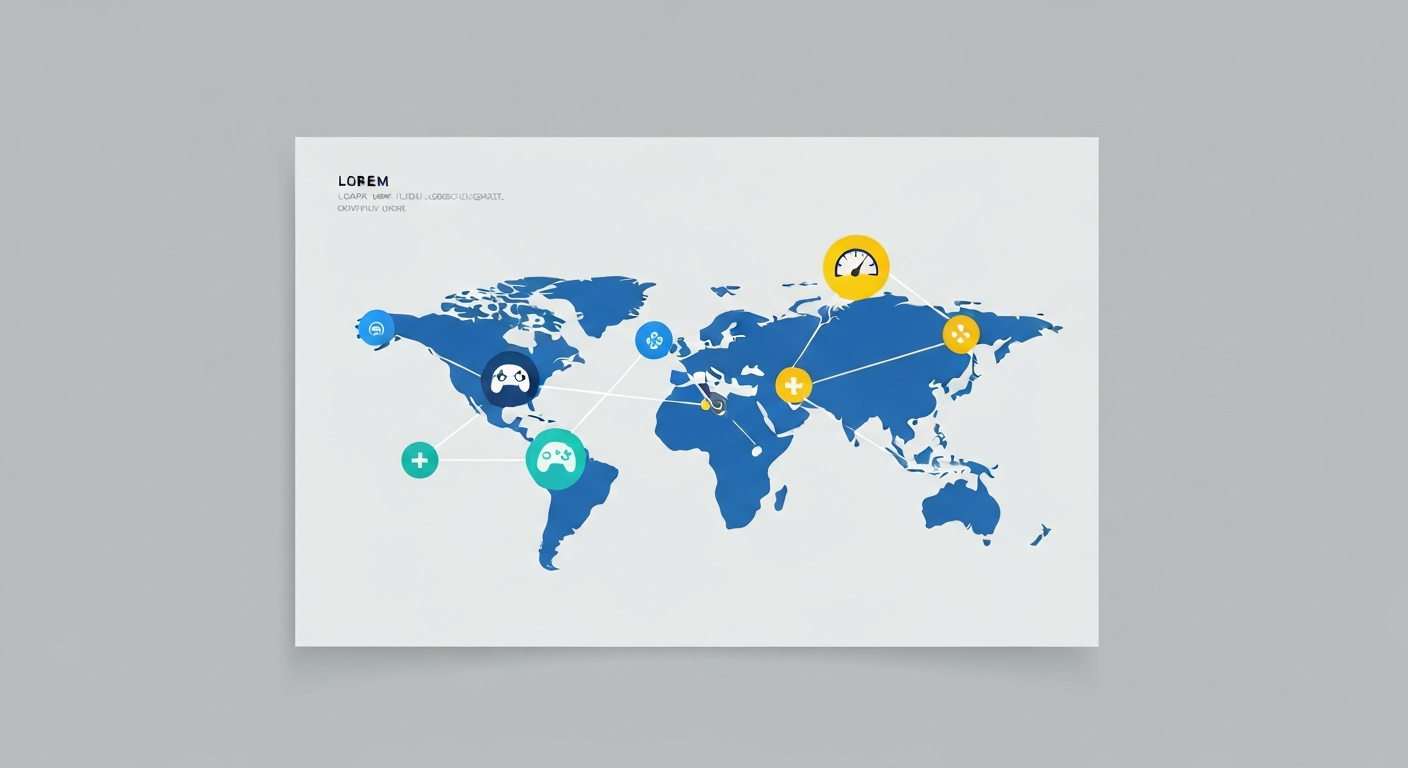
Picking the right VPN server location is absolutely fundamental if your goal is to unblock geo-restricted games. If a game is locked to a specific region, say Japan, you’ll need to connect to a VPN server located in Japan. This action effectively changes your apparent geographical location, allowing you to slip past the regional restrictions enforced by the game’s publisher or platform.
But getting into the game is only part of the equation; maintaining smooth gameplay means you need to consider proximity to the actual game servers. Even if you’re connected to a server in the correct country, if that VPN server is physically far from the game’s servers, you could still end up with high ping. For optimal gaming performance, it’s often a smart strategy to choose a VPN server that is not only in the desired region for unblocking but also as close as possible to the game’s hosting infrastructure. Some VPN providers offer tools to check server load or latency, which can help you strike the best balance between bypassing restrictions and minimizing network delay.
> VPN server locations are incredibly important for unblocking games. By connecting to a server in a country where the game is available, you can bypass regional restrictions. However, selecting a server that’s physically closer to the game’s own servers can also significantly reduce latency.
VPNs for Specific Gaming Platforms (PC, Console, Mobile)
The best VPNs for gaming are versatile across different platforms, recognizing that gamers use a whole host of devices. Each platform comes with its own set of quirks when it comes to VPN usage and what’s required.
For PC gamers, speed and the choice of protocol are usually paramount. You’ll want a VPN with solid software that supports advanced protocols like WireGuard and offers a wide array of server locations so you can find those optimal connections. Easy installation and a dependable connection are pretty much standard expectations here.
Console gamers (PlayStation, Xbox, Nintendo Switch) face a different challenge: consoles typically don’t have native VPN app support. The most common workaround is to install the VPN on your router. This requires a router that can handle VPN client functionality, or you can buy a pre-flashed router. Alternatively, some VPNs offer a “virtual router” feature, allowing your PC to share its VPN connection with your console. This setup ensures all traffic from your console is routed through the VPN, granting access to region-locked games or improving connection stability.
Mobile gamers (iOS, Android) benefit most from VPN apps designed to be efficient and not excessively drain battery life. While mobile games often have less demanding network needs than PC or console titles, they can still gain from bypassing geo-restrictions to access games or in-game content unavailable in your region. A good mobile VPN app should be simple to use, offer fast connections, and include a reliable kill switch.
> Different gaming platforms have unique needs; PC gamers often prioritize speed and protocol choices, console gamers need straightforward setup (frequently via their router), and mobile gamers require efficient connections that don’t burn through battery. The best VPNs are designed to support all platforms, either through dedicated apps or router configurations.
Security and Privacy Benefits of Gaming VPNs
Beyond simply getting around geo-restrictions, using a VPN for online gaming offers significant security and privacy perks. Your IP address is your online identity, and in the gaming world, it can unfortunately make you a target. By masking your IP address, a VPN makes it much harder for malicious actors to track your online activity or launch direct attacks against your connection.
This is especially relevant when it comes to DDoS attacks. As I’ve mentioned, a VPN hides your real IP address, making it incredibly difficult for someone to flood your network with traffic and disconnect you from your game. What’s more, a VPN encrypts your internet traffic. This means all the data zipping between your device and the VPN server is scrambled, making it unreadable to anyone trying to intercept it – including your ISP, potential network eavesdroppers, or even hackers lurking on public Wi-Fi. This strong encryption ensures that your personal information, login credentials, and your online gaming habits remain private and secure.
> Using a VPN for gaming doesn’t just bypass geo-blocks; it boosts your online security by masking your IP, protecting you from DDoS attacks, and encrypting your internet traffic to keep your data and online activities safe from prying eyes and potential threats.
Is It Safe to Use a VPN for Online Gaming?
Yes, for the most part, it’s safe to use a VPN for online gaming, provided you pick a reputable provider. Trustworthy VPNs employ strong encryption protocols to secure your connection and protect your data. They also adhere to strict no-logs policies, meaning they don’t keep records of your online activities. The main safety benefit is protection against DDoS attacks and enhanced privacy thanks to IP masking and traffic encryption. However, it’s crucial to steer clear of free VPNs, as they might compromise your security or sell your data.
Bypassing ISP Throttling with a VPN
Internet Service Providers (ISPs) sometimes implement network management tactics that can negatively impact your online gaming experience, most notably through bandwidth throttling. Throttling is when an ISP deliberately slows down your internet connection, often targeting specific types of traffic or occurring during peak usage times. Gamers can be hit particularly hard, experiencing increased lag, dropped connections, and generally sluggish performance, all without any change to their subscribed internet plan.
A VPN can effectively get around ISP throttling. When you connect to a VPN, your internet traffic gets encrypted. This means your ISP can see you’re connected to a VPN server, but they can’t figure out what you’re actually doing online. They can’t tell if you’re gaming, streaming, or just browsing the web. Because they can’t identify your traffic as gaming-related, they’re unable to selectively throttle it. This encryption and rerouting through the VPN server allows your gaming data to flow at full speed, often restoring the performance you expect from your internet connection.
> ISPs sometimes throttle bandwidth for activities like gaming or streaming. A VPN encrypts your traffic, making it unreadable to your ISP, which stops them from identifying and slowing down your gaming connection.
Can You Use a Free VPN for Unblocking Games?
The idea of a free VPN for unblocking games is certainly tempting, especially for gamers on a tight budget. However, while some free VPNs might offer basic functionality for bypassing geo-restrictions, they often come with significant downsides that make them unsuitable for a smooth and secure gaming experience.
Firstly, free VPNs usually impose strict data caps and speed limits. This means you might only get to play for a short while before hitting your data allowance, or the slow speeds will lead to unplayable lag. Server networks on free plans are also typically much smaller and less reliable, resulting in frequent disconnections and difficulty finding a server that works for your specific game. On top of that, the privacy and security of free VPNs are often questionable. Many free services make money by selling user data to advertisers or third parties, or they might inject ads into your browsing sessions. Some even use weaker encryption standards, leaving your connection vulnerable. For a consistent, secure, and high-performance gaming experience, a paid VPN is almost always the better choice.
> While free VPNs can sometimes unblock games, they often come with major drawbacks like limited bandwidth, sluggish speeds, fewer server choices, and potential privacy risks, generally making them a poor fit for smooth and secure gaming.
What is the Cheapest VPN for Gaming?
Finding the cheapest VPN for gaming means looking for providers that offer long-term subscription discounts, occasional sales, or special gamer-focused bundles. While cost is definitely a factor, make sure the cheapest option still meets the essential gaming requirements like speed and server availability.
When you’re on the hunt for budget-friendly VPNs, pay close attention to their advertised speeds and server networks. Providers like Surfshark and CyberGhost frequently present compelling long-term deals that significantly slash the monthly cost. Sometimes, you can snag even better prices during promotional periods like Black Friday or Cyber Monday. It’s also worth checking if a VPN offers a money-back guarantee, allowing you to test their service risk-free. Remember, the absolute cheapest option might not always offer the best value if it compromises the performance and reliability you need for gaming.
> Discovering the cheapest VPN for gaming hinges on finding providers offering long-term subscription discounts, periodic sales, or special bundles tailored for gamers. While price matters, confirm the cheapest option still delivers the necessary speed and server availability.
Troubleshooting VPN Gaming Issues

Running into problems while using a VPN for gaming can be super frustrating, but many common issues have simple fixes. Connection drops are a frequent complaint. This can often be resolved by switching to a different VPN server location, as the initial server might be overloaded or experiencing technical glitches. Similarly, if you’re dealing with high ping or lag, trying a server geographically closer to your actual location or the game server can make a noticeable difference.
If you’re struggling to connect to a specific game, double-check that your VPN protocol is set to a gaming-friendly option, like WireGuard or its proprietary equivalent (e.g., NordLynx). Sometimes, clearing your game client’s cache or rebooting your network equipment can help. If your VPN seems to be causing game client errors, temporarily disabling it to see if the problem persists is a good diagnostic step. For stubborn issues, don’t hesitate to reach out to your VPN provider’s customer support. Many offer 24/7 live chat and can provide platform-specific advice or assist with configuring your connection for optimal gaming performance.
> Common VPN gaming hiccups include dropped connections, high ping, and game client errors. Solutions often involve switching VPN servers or protocols, clearing game cache, checking firewall settings, or contacting VPN support for platform-specific guidance.
Frequently Asked Questions
Q: What is the best VPN for gaming?
A: The best VPN for gaming typically offers high speeds, a large server network, strong security, and features optimized for low latency, such as NordVPN or ExpressVPN.
Q: Can a VPN unblock games?
A: Yes, a VPN can unblock games by allowing you to connect to servers in different countries, bypassing geographical restrictions imposed on game content.
Q: Will a VPN increase my ping?
A: A VPN can sometimes increase ping, but it can also decrease it if it helps you connect to a game server that is geographically closer or bypasses ISP throttling.
Q: Which VPN is best for online games?
A: Top VPNs for online games include NordVPN, ExpressVPN, and CyberGhost, known for their speed, server options, and reliability in maintaining stable connections.
Q: How to use a VPN for gaming?
A: Download and install a VPN, select a server location near the game’s servers or in the region you want to access, and then launch your game.
Q: Is it illegal to use a VPN for gaming?
A: In most countries, using a VPN for gaming is legal. However, it may violate the terms of service of specific games or platforms, potentially leading to account sanctions.
Q: Do free VPNs work for gaming?
A: Free VPNs often have limitations like slow speeds and data caps, making them less ideal for gaming. Paid VPNs generally offer a much better experience.
Q: What is the fastest VPN for gaming?
A: The fastest VPNs for gaming often utilize the WireGuard protocol and have extensive, high-speed server networks, with providers like NordVPN and ExpressVPN frequently topping speed tests.